

533 people currently following

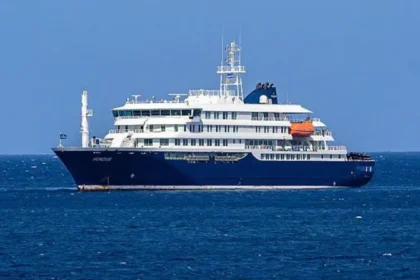
The cruise ship at the center of the hantavirus outbreak is now heading toward the Canary Islands with 146 people still on board and answers starting to emerge
The MV Hondius is expected to dock by the weekend. Three confirmed cases and five suspected ones have been linked to the ship. The confirmed cases include a Dutch woman WHO died, a British passenger in intensive care in South Africa, and a Swiss passenger receiving treatment in Zurich.
Among the suspected cases are a British man, a Dutch crew member, and a German national. Two have been moved to the Netherlands for care. A third remains on an evacuation flight that has been delayed. None have tested positive yet but two have shown symptoms.
Two British passengers who left the ship earlier in the journey are isolating at home after potential exposure. They have no symptoms. Authorities in Arizona and Georgia are also monitoring three passengers who returned to the United States after disembarking. None are showing signs of illness.
What is hantavirus and how does it spread between humans and from rodents
Hantaviruses are not one single disease. They belong to a family of viruses named after a river in South Korea. More than twenty different viral species exist. Almost all are linked to rodents. Infection usually happens when people breathe in air contaminated with dried urine and droppings.
But one strain is different. The Andes virus can spread from person to person. This has now been confirmed in two passengers on the ship. The British man in hospital in Johannesburg and the Dutch woman who died both carried the Andes Strain. This strain is mostly found in Argentina and Chile.
The most notable human-to-human outbreak happened in Argentina in late 2018. A single infected person attended a party. By the end, thirty-four people were confirmed infected. Eleven of them died. That event showed how prolonged close contact can drive transmission.
On the ship, passengers are now confined to their cabins to limit exposure. Social distancing measures similar to those used during the Covid pandemic have been put in place. Experts say isolating infected patients, regular handwashing, tracing close contacts, and applying strict infection control will be critical to stopping further spread.
It is still not clear how the outbreak started. A Dutch couple who both died had travelled through South America before boarding the ship in early April. One or both of them may have encountered the virus during that time. The cruise also visited remote wildlife areas. A passenger could have been exposed during one of those stops. Further genetic testing may help narrow down the origin.
Symptoms of the illness caused by the Andes strain often begin with fatigue, fever, and muscle aches. Headaches, dizziness, chills, and abdominal problems can follow. When respiratory symptoms develop, things become serious. Severe breathing difficulties require urgent medical care. The mortality rate for Hantavirus Pulmonary Syndrome sits between twenty and forty percent.
The incubation period makes this virus tricky. It can take anywhere from one to eight weeks for symptoms to appear. That long window complicates contact tracing and monitoring.
There is no specific treatment for hantavirus. Early medical support improves survival chances. Care can include oxygen therapy, mechanical ventilation, and in severe cases dialysis. New treatments are being trialled but none are widely available yet. Vaccines exist in China and South Korea for strains common in those regions. No widely available vaccine protects against the Andes strain.
Globally, an estimated 150,000 cases of hemorrhagic fever with renal syndrome are reported each year. More than half occur in China. The United States recorded 890 cases between 1993 and 2023. The current Cruise Ship outbreak remains contained. There is no evidence of spread beyond the vessel. Health officials maintain the risk to the general public is very low.
The ship will soon reach port. Passengers and crew will be medically assessed before being allowed to travel home. Until then, isolation on board continues. The world is watching but experts say panic is not the right response. Awareness is.