
775 people currently following
THE World Health Organization has raised concerns over the continued spike in global malaria cases and deaths, warning that Nigeria remains one of the most burdened countries.
The WHO also revealed that malaria killed an estimated 610,000 people globally in 2024.
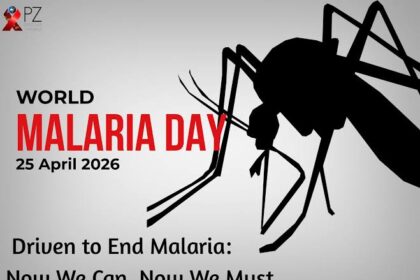
Commemorating the World Malaria Day 2026 on April 25, the WHO launched its new campaign, themed: “Driven to End Malaria: Now We Can. Now We Must.”
It described the new campaign as a call to accelerate efforts toward ending malaria despite growing challenges such as drug resistance, funding gaps, and climate-related disruptions.
“Science is advancing faster than ever. For the first time, ending malaria in our lifetime is a real possibility. New vaccines, treatments, malaria control tools and pioneering technologies – including genetic modification of mosquitoes and long-acting injectables – are in development.
“Already, 25 countries are rolling out malaria vaccines to protect 10 million children a year. Next-generation mosquito nets now make up 84 per cent of all new nets distributed. Nationally led programmes are driving change. The possibility has never been greater,” the WHO said in a statement.
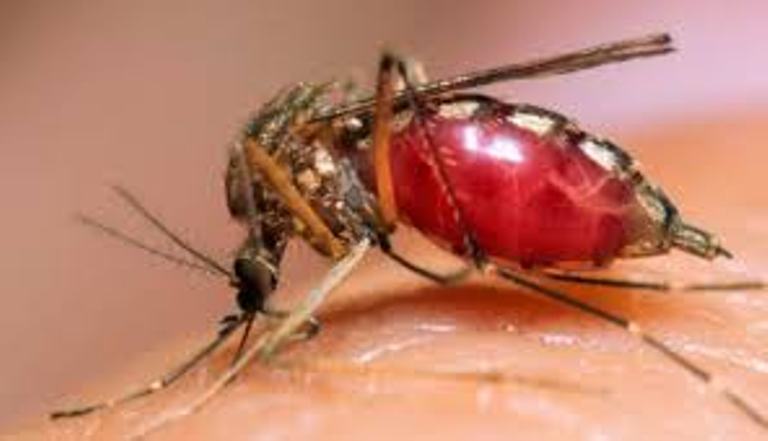
Malaria remains a life-threatening disease transmitted through the bites of infected female anopheles mosquitoes, and is most common in tropical countries.
Symptoms include fever, headache and chills, but severe cases can lead to breathing difficulties, seizures, organ failure and death if not treated quickly.
Infants, children under five, pregnant women, travellers, and people living with HIV/AIDS are considered most at risk.
The global health body noted that since 2000, malaria interventions had helped avert 2.3 billion cases and 14 million deaths, insisting that ending malaria within a generation “is now possible if urgent action is taken.”
It said 47 countries had been certified malaria-free, including two countries in 2024 and three more in 2025, while 37 others reported fewer than 1,000 malaria cases in 2024.
It also noted that between 2000 and 2024, malaria-endemic countries dropped from 108 to 80.
It urged governments and development partners to sustain funding, strengthen country-led programmes, accelerate innovation, and empower communities.
According to the WHO’s World Malaria Report 2025, there were an estimated 282 million malaria cases globally in 2024, representing an increase of about nine million cases compared to 2023, while deaths rose slightly from 598,000 in 2023 to 610,000 in 2024.
The WHO African Region recorded the heaviest burden, accounting for 95 per cent of global malaria cases. It logged 265 million infections, and 95 per cent of all deaths attributable to the disease, translating to about 579,000 fatalities.
Children under five years accounted for about 75 per cent of all malaria deaths in the region.
The agency said Nigeria contributed the highest share of malaria deaths in Africa, accounting for 31.9 per cent of all deaths in the region, followed by the Democratic Republic of Congo with 11.7 per cent, and Niger with 6.1 per cent.
The global health body said despite years of progress, malaria elimination efforts were facing fresh threats.
For instance, artemisinin partial resistance, which threatens the effectiveness of the main malaria treatment, was confirmed in four African countries, Eritrea, Rwanda, Uganda and Tanzania, while insecticide resistance to pyrethroids, commonly used in mosquito nets, has been confirmed in 48 out of 53 reporting countries.
WHO also warned that diagnostic failures linked to pfhrp2 gene deletions were spreading, making some rapid diagnostic tests ineffective, while the invasive mosquito species Anopheles stephensi, known for thriving in urban areas and resisting insecticides, was expanding across Africa.
A major concern highlighted in the report is inadequate funding. The WHO said only $3.9 billion was available for malaria response in 2024, less than half of the $9.3 billion target for 2025, leaving a projected shortfall of $5.4 billion.
It added that recent cuts in global health aid disrupted surveillance systems, healthcare delivery, and malaria prevention campaigns, especially in vulnerable countries.
The WHO stressed that malaria is preventable and curable through the use of mosquito nets, repellents, preventive medicines, vaccines, and prompt treatment with artemisinin-based combination therapies.