

Amid ongoing safety controversies surrounding obesity drugs, the race to develop next-generation novel treatments and expand market reach is accelerating.
EMA Warns Mounjaro May Weaken Oral Contraceptives
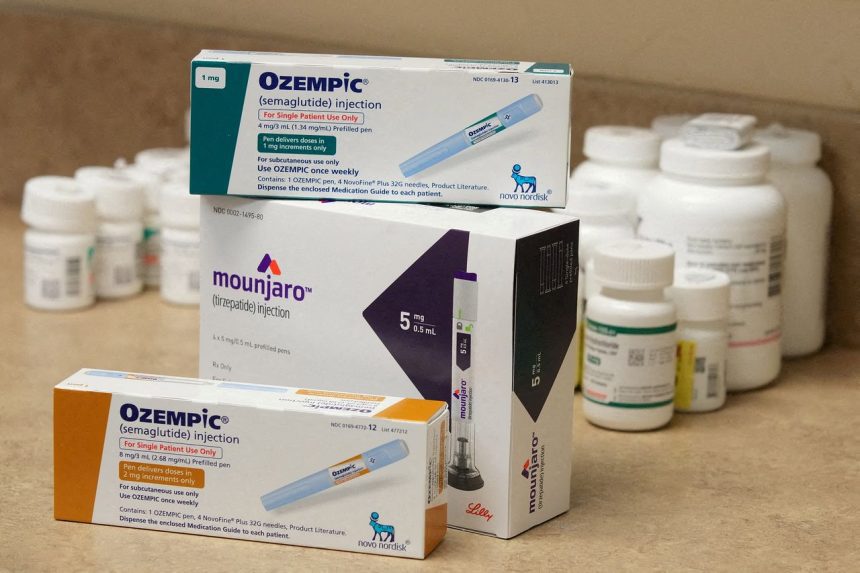
According to the pharmaceutical and biotech industry on the 15th, the European Medicines Agency (EMA) recently adopted a medical professional guide warning that Eli Lilly’s obesity treatment Mounjaro may reduce the effectiveness of oral contraceptives. The recommendation advises instructing women taking oral contraceptives to use additional barrier methods such as condoms or switch to non-oral contraceptives for four weeks after starting Mounjaro and for four weeks every time the dosage is increased.
This decision stems from the finding that Mounjaro delays gastric emptying, which can affect the absorption of oral medications. Wegovy was not included in this recommendation as previous studies showed no clinically significant impact on oral contraceptive efficacy. Relevant precautions are already reflected in the approval information for Mounjaro in South Korea and the United States.
Taiwan Probes Vision Loss Claim Linked to Ozempic
In Taiwan, a man in his 50s filed for victim relief, claiming he lost his vision after administering Ozempic, which contains the same semaglutide component as Wegovy. According to Taiwan’s Central News Agency, the man lost 10 kg over approximately four months, but in February, his right eye suddenly went dark and vision in his left eye dropped sharply, leading to a diagnosis of non-arteritic anterior ischemic optic neuropathy (NAION). Taiwanese health authorities are investigating the causal relationship between the drug and vision loss.
Gut Health Concerns Raised
The impact on gut health has also emerged as a subject of debate. The Financial Times reported on the 14th that Professor Tim Spector of King’s College London raised concerns about the gut microbiome status of semaglutide users based on unpublished research. However, it has not been confirmed whether this is a direct effect of the drug itself. In response, Novo Nordisk and Eli Lilly countered by citing safety data from existing clinical trials.
You may also like

China Approves First Oral GLP-1 Obesity Drug
Meanwhile, China approved the sales of Lilly’s oral obesity drug Mounjuduo (US brand name: Orforglipron) on the 12th. This marks the first approval of an oral GLP-1 obesity drug in China. In South Korea, it is still undergoing product approval review.
Next-Generation Drugs Show Promising Trial Results
On the 14th, Novo Nordisk released detailed results from the Phase 3 clinical trial of its low-dose next-generation obesity drug CagriSema. Assuming continuous administration, it showed an average maximum weight loss effect of up to 21% over 68 weeks. On the same day, Eli Lilly announced that a Phase 3 clinical trial for adolescents using Zepbound (known as Mounjaro in South Korea) showed a 21.4% average decrease in the body mass index (BMI) of obese patients aged 12 to 17 over 72 weeks.
Market Projected to Nearly Double by 2031
Global asset management firm Columbia Threadneedle projected in a report on the 9th that the global market size of GLP-1 medications used for obesity and diabetes treatment will nearly double from $98.6 billion (approx. 132.1 trillion KRW) this year to $190.6 billion (approx. 255.4 trillion KRW) by 2031.
Place Your Ads Here
Reach people who love US & UK News (International)
CPC: ₦120.00
CPV: ₦12.00
CPC: ₦22.00
CPV: ₦5.00
CPC: ₦120.00
CPV: ₦12.00
Place Your Ads Here
Reach people who love US & UK News (International)
CPC: ₦120.00
CPV: ₦12.00
CPC: ₦22.00
CPV: ₦5.00
CPC: ₦120.00
CPV: ₦12.00
Place Your Ads Here
Reach people who love US & UK News (International)
CPC: ₦120.00
CPV: ₦12.00
CPC: ₦22.00
CPV: ₦5.00
CPC: ₦120.00
CPV: ₦12.00