
637 people currently following

A fresh US Iran military escalation Strait of Hormuz unfolded Friday as American forces disabled two Iranian tankers and Iran’s top diplomat accused Washington of choosing war over diplomacy.
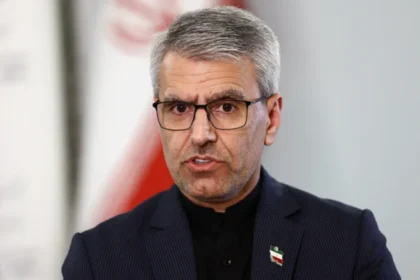
Foreign Minister Abbas Araghchi did not hold back. He said every time a diplomatic solution sits on the table the US opts for a reckless military adventure instead. He declared Iranians would never bow to pressure. The sharp words landed a day after both nations blamed each other for triggering a dangerous exchange of fire in the strategic waterway.
Despite the fiery rhetoric and fresh strikes President Trump insists the ceasefire is still intact. That truce is meant to create space for talks to end the war that the US and Israel launched back in February. US Secretary of State Marco Rubio confirmed Iran was expected to respond to American proposals on Friday. He said he hopes the offer is serious and genuine.
The stakes go far beyond regional security. Iran controls the Strait of Hormuz and has been attacking US allies in the Gulf in retaliation for earlier strikes. Roughly twenty percent of the world’s oil and liquefied natural gas passes through this critical chokepoint. The blockage has sent energy prices soaring globally.
How the US Iran military escalation Strait of Hormuz is playing out on the water
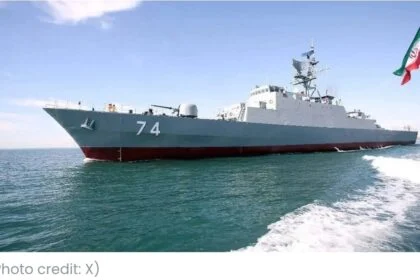
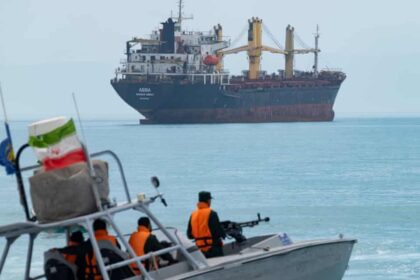
US Central Command released a detailed account of Friday’s operations. American forces disabled two Iranian-flagged oil tankers attempting to pull into an Iranian port on the Gulf of Oman. Officials said the vessels were violating the ongoing US blockade. Precision munitions were fired directly into their smokestacks to stop them from entering port.
Centcom stated that US forces are currently preventing more than seventy tankers from entering or leaving Iranian ports. The naval blockade aims to squeeze Tehran into accepting US terms. The move has infuriated Iranian leadership. Earlier in the week Trump launched and then paused a military operation designed to free roughly two thousand vessels stranded in the area since February.
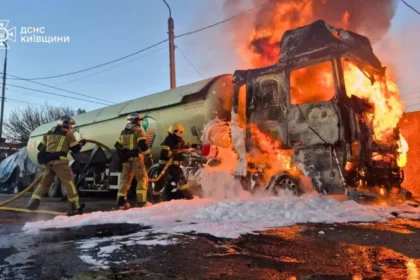
The human toll is mounting. An official in the southern Hormozgan province reported that one cargo vessel attacked near the waters of Minab caught fire. Ten injured sailors have been transferred to a hospital. Local groups and search teams are still trying to determine the fate of other missing crew members. Iran’s top military command accused the US of carrying out aerial attacks on several coastal areas including Bandar Khamir Sirik and Qeshm Island.
Trump posted overnight on Truth Social celebrating the destruction of multiple small boats missiles and drones. He claimed great damage was done to the Iranian attackers. He repeated his blunt warning that if the deal is not signed fast the next round of strikes will be a lot harder and a lot more violent. Iran described the American attacks as a violation of the ceasefire.
Diplomacy continues on other tracks. The US signaled its readiness to host a new round of Israel-Lebanon talks next week aimed at halting clashes involving Iranian-backed Hezbollah. A source said the intensive talks on May 14th and 15th would aim for lasting security for Israel and sovereignty and reconstruction for Lebanon. Both the US and Israel demand full Hezbollah disarmament but the militant group rejects the negotiations outright. A fragile ceasefire there has been repeatedly broken.
Vice President JD Vance met with Qatar’s Prime Minister in Washington to discuss Pakistan’s ongoing mediation efforts between the US and Iran. The Qatari leader urged all parties to engage with negotiations to address the root causes of the crisis and achieve lasting peace. Whether that pledge translates into results remains deeply uncertain as both sides continue trading fire.