

562 people currently following

Starting today users can no longer send ultra-private messages as the Instagram end-to-end encryption removal takes effect globally.
The feature that once allowed only the sender and recipient to read messages is now switched off entirely. This marks a dramatic U-turn for parent company Meta. The tech giant previously championed encryption as the gold standard for user privacy.
End-to-end encryption is the most secure form of online messaging. It locks out everyone except the two people communicating. But it has also faced fierce opposition from campaigners who argue it lets extreme content spread without any oversight from authorities.
That tension explains the divided reaction. Child protection groups welcomed the decision. Privacy advocates condemned it as a step backward.
By removing the feature Instagram can now access all content inside direct messages. That includes images videos and voice notes. Standard encryption is now the only option available. This system allows an internet service provider to access private material if required. It is the common setup used by most major online services like Gmail.
How the Instagram end-to-end encryption removal happened quietly
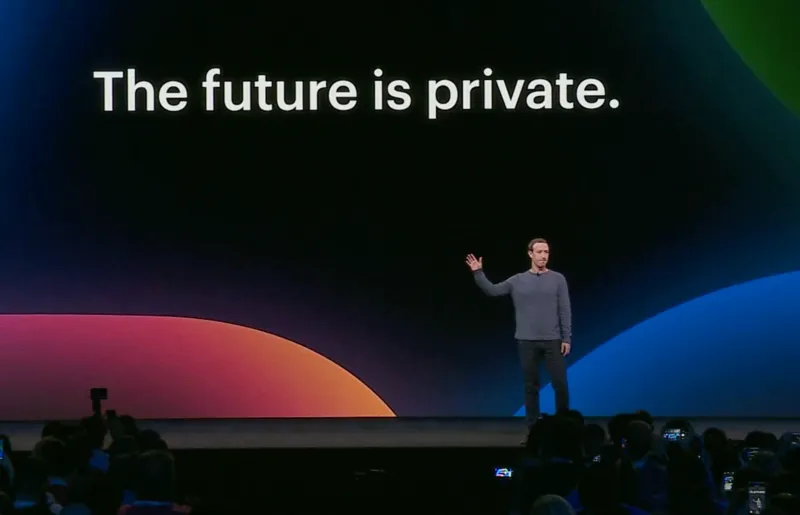
Back in 2019 Mark Zuckerberg declared that the future is private. Meta pledged to introduce the technology across all its messaging platforms. The company completed the rollout on Facebook Messenger in 2023. Instagram later made the feature optional with plans to eventually make it the default setting.
Those plans are now dead. After seven years Meta decided not to proceed with wider deployment. The company did not publicly announce the reversal with any fanfare. It simply updated the app’s terms and conditions in March stating that encrypted messaging would no longer be supported after today.
A source said the decision came down to low user adoption. Too few people were opting in to use the feature. But critics point out that optional features often suffer from low uptake because the extra step creates friction.
Some analysts see a deeper shift at play. Victoria Baines is a professor of IT at Gresham College. She believes the move reflects Meta’s changing attitude toward privacy. She explained that social media platforms monetize communications including posts likes and messages to serve targeted advertising. She added that messaging data can be extremely valuable for training AI models which companies like Meta are increasingly focused on.
Instagram has previously stated that direct messages are not used to train AI. The company declined to comment further on its reversal. Instagram boss Adam Mosseri also declined to be interviewed.
Child safety groups expressed satisfaction with the outcome. Rani Govender from the NSPCC said they were really pleased. She added that encryption can allow perpetrators to evade detection enabling the grooming and abuse of children to go unseen. On the other side privacy campaigners expressed deep concern. Maya Thomas from Big Brother Watch said she was disappointed. She argued that encryption was one of the key ways children can keep their data safe online and expressed worry that Meta may be caving to government pressure.
Until recently the spread of end-to-end encryption seemed like an unstoppable trend. It remains the default on Signal WhatsApp Facebook Messenger iMessage and Google Messages. Telegram offers it as an option. Snapchat uses it for photos and videos. Discord plans to make voice and video calls encrypted by default.
But the tide may be turning. In March TikTok told a source it had no plans to introduce the technology for direct messages. Two weeks later Instagram quietly updated its terms to kill the feature. Commentators now believe these decisions could slow the spread of encryption leaving it largely confined to dedicated messaging apps in the future.